

Performance Reviews Became Compensation Tools. And Employees Know It.
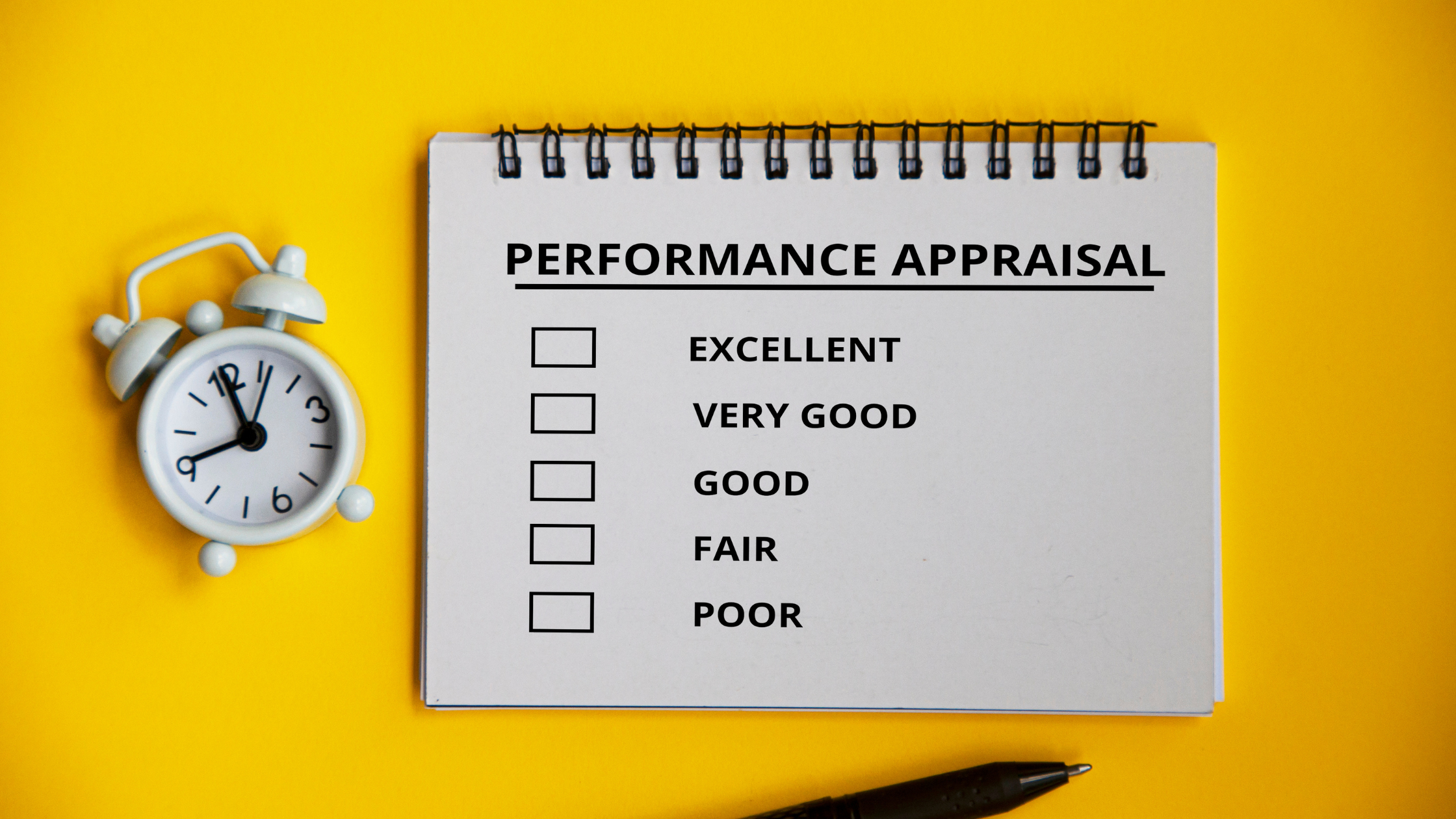
A leader told us recently that her performance review happened after her bonus had already been decided. Her reaction was immediate.
"Then what's the point?"
It's a fair question. If compensation decisions have already been made, the review isn't really influencing anything. It's not helping someone grow. It's not changing an outcome. It's simply documenting a decision that happened somewhere else.
And that's where many performance reviews have ended up.
What started as a conversation about development has slowly become a process for justifying bonuses, salary increases, promotions, and HR decisions. Employees know it. Leaders know it. Which is why so many people approach performance reviews as something they have to get through rather than something that might actually help them.
Once compensation gets attached to the conversation, the conversation changes. Employees stop asking themselves, "What did I learn?" They start asking, "How do I justify my rating?"
That's not because employees are doing something wrong. It's because they're responding to the system they're in.
We've Confused Documentation With Development
Most organizations spend a tremendous amount of time documenting performance.
Goals get entered into systems, progress gets tracked, forms get completed, ratings get assigned, managers spend hours writing reviews, employees spend hours preparing self-assessments, etc.
The question is: how much of that actually helps someone improve?
Too often, the process becomes an exercise in record keeping rather than learning. The irony is that organizations spend enormous amounts of energy tracking goals but very little time talking about what people are actually learning along the way.
What worked?
What didn't?
What got in the way?
What support was missing?
What assumptions turned out to be wrong?
Were the goals even the right goals?
Those questions tell us far more about future performance than a rating ever will.
Performance Doesn't Happen In Isolation
Traditional reviews tend to focus almost entirely on the employee:
How did they perform?
What could they have done differently?
What skills do they need to improve?
Those are important questions.
But they're incomplete…
Were expectations clear?
Did priorities change halfway through the year?
Did leadership provide enough support?
Were resources available?
Did organizational systems create barriers that made success harder than it needed to be?
Performance is rarely created by an individual alone. It's shaped by the environment around them, yet many review processes treat performance as though it exists in a vacuum.
When an employee struggles, we often look immediately at the person instead of becoming curious about the system. When an employee succeeds, we celebrate the outcome without stopping to understand what helped create it.
The best performance conversations create accountability on both sides of the table. Employees need to take ownership of their performance and leaders need to take ownership of the environment they're creating.
Both matter.
The Reviews People Actually Want
The best performance reviews are really a chance to look back in order to look forward. What did we learn from the last year that helps inform the development, support, and opportunities needed in the year ahead?
That's a far more valuable conversation than debating a rating.
And the most valuable performance conversations aren't usually the easiest ones. They're the ones where people are willing to tell the truth, not harshly or judgementally, but honestly.
Those conversations require courage from leaders because it's often easier to avoid difficult feedback, soften the message, or focus only on what went well.
But people can't improve if nobody is willing to tell them the truth and leaders can't improve if employees don't feel safe enough to tell them the truth either.
Let Technology Handle the Paperwork
Use AI to handle the administrative work. Don't use it to replace the conversation itself.
Technology can help leaders remember commitments, identify patterns, and spend less time documenting. It cannot replace trust, curiosity, accountability, or honest feedback.
Most people don't need another platform. They need meaningful conversations about what's working, what's not, what they're learning, and what needs to happen next.
That's where development happens and that's where performance reviews become valuable again.